Smile Club: A Classic Serif Font for Modern Web Design
In the fast-paced world of digital product creation, typography is often the silent workhorse that determines whether a user stays or bounces. As web designers and UI specialists, we constantly search for typefaces that balance personality with performance. Smile Club emerges as a compelling option in this landscape, offering a cool and classic serif aesthetic that feels both nostalgic and refreshingly modern. This display font is not just about aesthetics; it is a strategic tool for building visual hierarchy, establishing brand tone, and guiding user attention across websites, landing pages, and app interfaces.
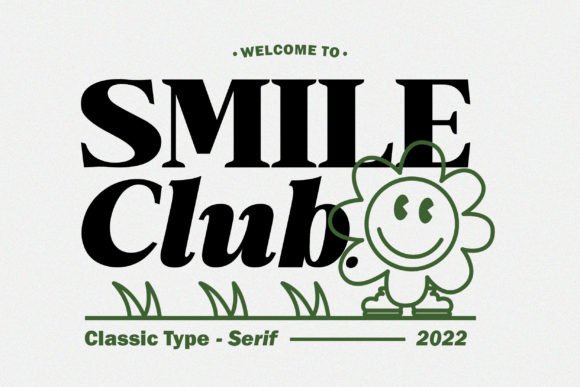
At its core, Smile Club is a serif font designed to command attention without shouting. Its character shapes possess a distinct personality—slightly rounded yet structured, evoking a sense of approachability mixed with editorial sophistication. For digital creators, this duality is invaluable. When used in hero sections or main headers, it instantly sets a mood that standard system fonts cannot achieve. The serifs provide those essential horizontal guides that help the eye track text smoothly, which is crucial for maintaining readability in large display sizes on high-resolution screens.
Elevating Visual Hierarchy in Digital Layouts
One of the primary challenges in web design is creating a clear visual hierarchy. Users scan pages rather than reading them word-for-word, so headings must stand out distinctly from body copy. Smile Club excels as a display font for top-level headings (H1 and H2). Its unique weight and stylistic flair make it perfect for grabbing attention in the first few seconds of a site visit.
Consider a SaaS landing page or a coaching website. Using Smile Club for the main value proposition creates an immediate emotional connection. Because it is a serif typeface, it carries an inherent air of authority and tradition, which can boost brand trust. However, its "cool" undertone prevents it from feeling stuffy or outdated. This makes it ideal for brands that want to appear established yet innovative. By reserving Smile Club for headlines and short phrases, you create a rhythmic contrast when paired with a clean sans serif font for the body text.
Strategic Applications for Brand Identity
The versatility of Smile Club extends beyond simple headers. It is a powerful asset for crafting a consistent online identity across various touchpoints. Here is how this font can be integrated into different digital environments:
- Hero Sections: Use large point sizes to make a bold statement on homepage banners.
- Call-to-Action Buttons: While best for short labels, its distinctive shape can make buttons feel more like part of the brand story than generic UI elements.
- Blog Graphics: Overlay titles on featured images to create click-worthy social media assets.
- Portfolio Sites: Perfect for creative professionals who need their name or project titles to act as logo text.
- Online Store Banners: Adds a boutique feel to promotional strips for seasonal sales or new arrivals.
For e-commerce owners, specifically those running boutique online stores, typography plays a massive role in perceived value. A product page featuring Smile Club in the product title can elevate the item from a commodity to a curated selection. It suggests care and attention to detail, qualities that customers are willing to pay a premium for.
Readability and Responsive Considerations
While display fonts are stunning at large sizes, usability on mobile devices requires careful consideration. Smile Club is optimized for impact, which means it shines in headlines but should be used judiciously in smaller contexts. On mobile screens, ensure that the font size is large enough to maintain legibility. The intricate details of serif fonts can sometimes get lost or appear blurry on low-density displays if the point size is too small.
When designing responsive layouts, test Smile Club against various background colors. It performs exceptionally well on light backgrounds, where the contrast highlights the curve of the serifs. However, it can also pop effectively on dark backgrounds, provided there is sufficient color contrast to meet accessibility standards (WCAG). Avoid using it for long paragraphs of body copy; instead, let it serve as the anchor for your content sections, breaking up text blocks and giving the reader's eye a place to rest.
Mastering Font Pairing for Web Projects
To get the most out of Smile Club, understanding font pairing is essential. A common mistake in web design is pairing two decorative fonts, which creates visual noise. Since Smile Club is a serif with strong character, it pairs beautifully with neutral sans serif fonts.
For example, combine Smile Club with a geometric sans serif like Montserrat or a humanist sans like Open Sans for body copy. This combination creates a modern typography stack that feels balanced: the serif provides the personality and brand voice, while the sans serif ensures maximum readability for dense information. Alternatively, for a more editorial design feel, pair it with a simple, low-contrast serif for subheadings, though this requires a keen eye for weight distribution to avoid a heavy look.
This approach works particularly well for course sales pages or digital product launches. The headline draws the user in with style, while the supporting text remains easy to scan, facilitating a smoother path to conversion.
Licensing and Technical Implementation
Before integrating Smile Club into a client project or a commercial template, it is vital to review the licensing terms. As a premium font, it likely comes with specific guidelines regarding webfont usage. Ensure you have the correct license for embedding the font via CSS (@font-face) or using a webfont service. Commercial font licenses typically cover use in logos, online stores, and advertising materials, but always verify if there are restrictions on the number of page views or domains.
Check the available file formats. For modern web performance, ensure you have access to WOFF2 files, which offer superior compression and faster load times compared to older formats. Fast loading is critical for SEO and user retention; a beautiful font that slows down your site is counterproductive. Additionally, explore any included alternates or stylistic sets. Many modern typefaces offer alternate characters that can add a unique flourish to logo design or specific marketing headlines, allowing for further customization of your brand identity.
In conclusion, Smile Club represents a thoughtful intersection of classic serif elegance and contemporary digital utility. For web designers, UI creators, and entrepreneurs, it offers a way to inject warmth and professionalism into digital products. Whether you are building a personal portfolio, launching a new app, or redesigning an online store, leveraging the right typeface can transform a standard layout into a memorable brand experience. By using Smile Club strategically for display purposes and pairing it with functional body fonts, you create a visual language that speaks clearly to your audience while reinforcing your unique market position.